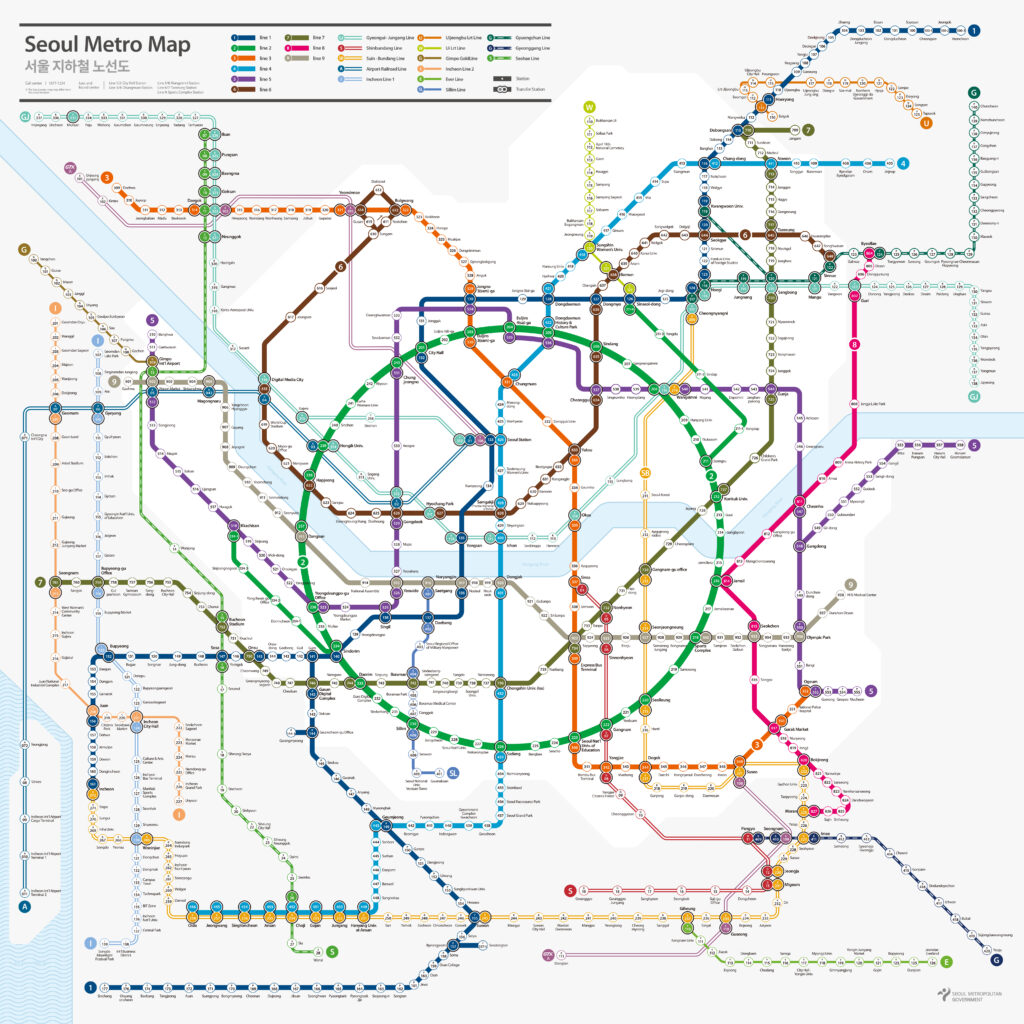
Korea has one of the best subway systems in the world.
For many tourists, the subway becomes the easiest way to travel around cities like:
- Seoul
- Busan
- Daegu
- Incheon
The subway system is:
- Fast
- Clean
- Affordable
- Safe
- Foreign-friendly
Still, first-time visitors often feel confused about:
- T-money cards
- Transfers
- Subway exits
- Navigation apps
- Rush hour
👉 This complete guide explains everything tourists should know before using the Korean subway system.
🚇 Why Tourists Use the Subway in Korea
Most locals use public transportation every day.
Tourists also prefer subways because:
- Traffic can be heavy in Seoul
- Taxi costs add up quickly
- Subway stations are everywhere
- English signs are common
Popular tourist areas connected by subway:
- Hongdae
- Myeongdong
- Gangnam
- Itaewon
- Jamsil
- Dongdaemun
👉 In Seoul, you can reach almost every major tourist destination by subway.
🎫 How to Pay for Korean Subways
There are two main payment methods.
1️⃣ T-money Card (Recommended)
Most tourists use a T-money card.
You can use it for:
- Subways
- Buses
- Some taxis
- Convenience stores
You can buy T-money cards at:
- GS25
- CU
- 7-Eleven
- Subway stations
Usually:
- Card price = 3,000–5,000 KRW
- Recharge separately
👉 This is the easiest option for travelers.
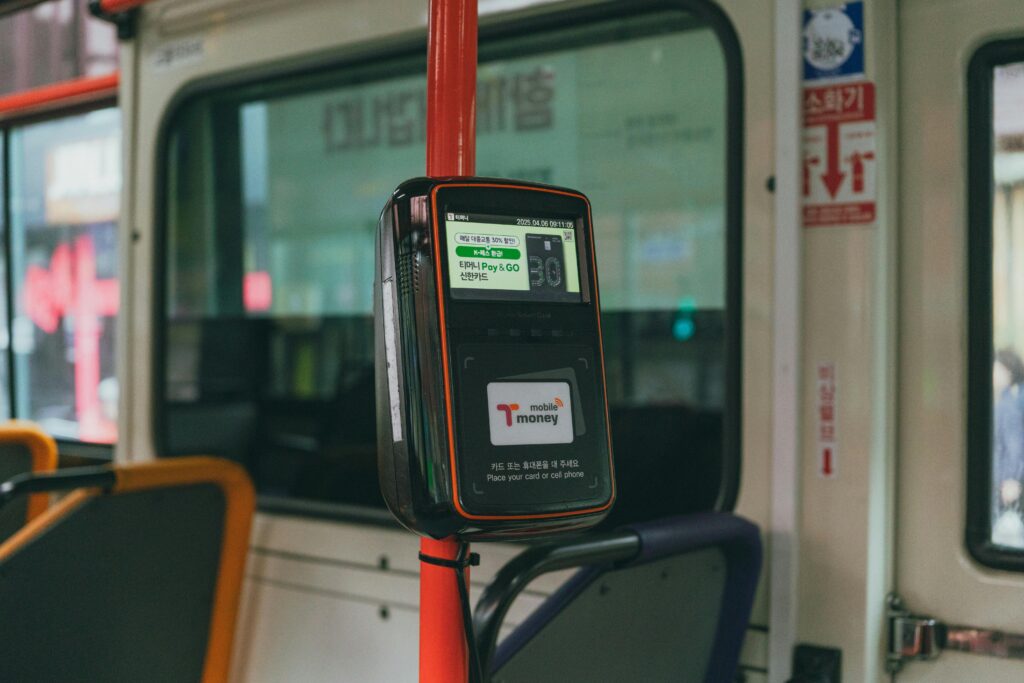
How to Recharge T-money
You can recharge your card at:
- Subway recharge machines
- Convenience stores
Most subway machines support:
- English
- Japanese
- Chinese
👉 Many recharge machines only accept cash.
2️⃣ Single Journey Tickets
You can also buy one-time subway tickets.
However:
- It takes longer
- Machines may confuse tourists
- You need to buy tickets repeatedly
👉 Most visitors prefer T-money cards instead.
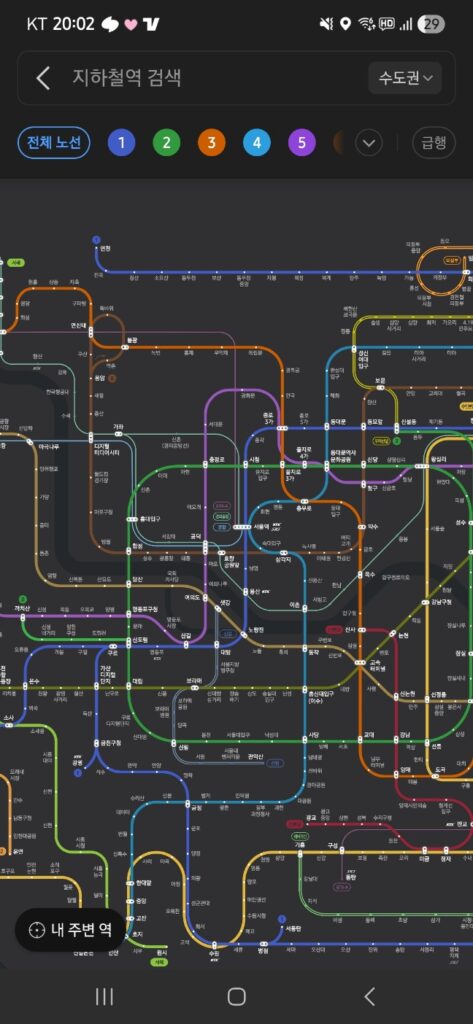
📱 Best Subway Apps for Korea
Google Maps does not always work well in Korea.
Most locals and travelers use:
- Naver Map
- KakaoMap
- Subway Korea
These apps help you:
- Find routes
- Check transfer stations
- Calculate travel time
- Find correct exits
👉 Naver Map is especially useful for tourists.
🚉 Understanding Korean Subway Stations
At first, Korean subway stations may look overwhelming.
But they are usually very organized.
Inside stations, you will find:
- Colored subway lines
- Exit numbers
- English signs
- Transfer directions
👉 Exit numbers are extremely important in Korea.
Sometimes choosing the wrong exit can add:
- 10–20 minutes of walking
especially in large stations.
🔄 How Subway Transfers Work
Many trips require transfers between subway lines.
Fortunately:
- Transfer signs are clear
- Walking paths are marked well
- English directions are common
Large transfer stations include:
- Seoul Station
- Gangnam Station
- Jamsil Station
👉 Some transfer stations involve long underground walks.
💸 Korea Subway Prices
Subway fares are affordable compared to many countries.
Typical starting fares:
- Around 1,400–1,600 KRW
Prices increase slightly depending on distance.
👉 Using T-money is usually cheaper than buying single tickets.
⚠️ Rush Hour Tips
Subways can become very crowded during:
- 7 AM – 9 AM
- 6 PM – 8 PM
During rush hour:
- Trains may be packed
- Standing is common
- Some stations become stressful for tourists with luggage
👉 Avoid rush hour if possible.
🧍 Korean Subway Etiquette
Korean subway culture is usually quiet and respectful.
Helpful etiquette tips:
- Avoid loud phone calls
- Let passengers exit first
- Do not block train doors
- Give priority seats to elderly passengers
👉 Many locals stay quiet during subway rides.
🧳 Traveling With Luggage
Traveling with suitcases is possible, but can be difficult during busy times.
Helpful tips:
- Avoid rush hour
- Use elevators when possible
- Some stations have many stairs
👉 AREX airport trains are especially convenient for luggage.
🚆 Last Train Times
Korean subways do not run all night.
Most last trains operate around:
- Midnight
- 12:30 AM
depending on the line.
👉 Always check final train times before staying out late.
❌ Common Tourist Mistakes
❌ Taking the wrong subway exit
Large stations may have more than 10 exits.
❌ Not charging enough money on T-money
Running out of balance during transfers is stressful.
❌ Depending only on Google Maps
Korean apps work much better for navigation.
❌ Traveling with luggage during rush hour
Busy trains can become difficult for tourists.
💡 Helpful Tips for First-Time Visitors
✅ Save your hotel location
Take a screenshot of your hotel address before leaving.
✅ Download navigation apps early
Setting up apps before your trip saves time.
✅ Keep small cash for T-money recharge
Some machines do not accept cards.
✅ Follow subway colors carefully
Each subway line has its own color.
👉 This makes navigation easier.
❓ Frequently Asked Questions
Is the Korean subway system foreigner-friendly?
Yes. Most stations support English signs and announcements.
Can tourists easily use Korean subways?
Yes. Most travelers learn the system quickly after a few rides.
Is the subway cheaper than taxis?
Yes. Subways are usually much cheaper for long distances.
Can I use credit cards directly at subway gates?
Usually no. Most tourists use T-money cards instead.
🎯 Final Advice
The Korean subway system may seem confusing at first, but it quickly becomes one of the easiest ways to travel around Korea.
👉 Once you learn how to use T-money cards, subway apps, and exit numbers, getting around Korea becomes fast, affordable, and stress-free 🇰🇷
Related Guides
👉 How to Use a T-money Card in Korea
👉 How to Use Naver Map in Korea
👉 How to Use Kakao T in Korea
👉 Complete Korea Airport Arrival Guide for First-Time Travelers
답글 남기기